Introduction

Ambulatory Blood Pressure Monitoring (ABPM)

Ambulatory Blood Pressure Monitoring (ABPM) is a non-invasive diagnostic tool that continuously records a patient’s blood pressure over a 24-hour period during normal daily activities, including sleep. It provides a more accurate and comprehensive profile of blood pressure than single readings taken in a clinic setting.
Instructions

What Is ABPM?

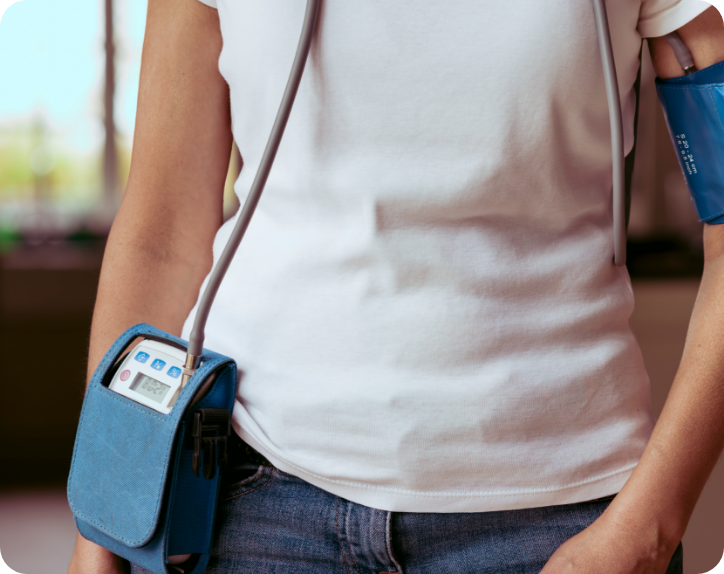
ABPM involves wearing a lightweight, portable blood pressure monitor that automatically measures and records your blood pressure at regular intervals:
  • Every 15–30 minutes during the day
  • Every 30–60 minutes during sleep
  • After 24 hours, the data is analyzed to generate a detailed blood pressure report
Core Values

Why Choose ABPM?

  • Captures full-day fluctuations, including early morning surges and nighttime dips
  • Eliminates "white coat effect" by measuring outside the clinical setting
  • Supports medication planning, helping doctors optimize treatment timing and dosage
  • Essential for diagnosing unstable or borderline hypertension
Applicable People

Who Should Consider ABPM?

  • Individuals with elevated blood pressure in clinics but normal readings elsewhere (suspected back_btnwhite coat hypertension)
  • Patients whose blood pressure fluctuates throughout the day or night
  • Those on antihypertensive medication requiring treatment adjustment
  • People at high risk of stroke, heart disease, or kidney conditions
  • Patients with suspected masked hypertension (normal in clinic but high at home)
Results

What To Expect

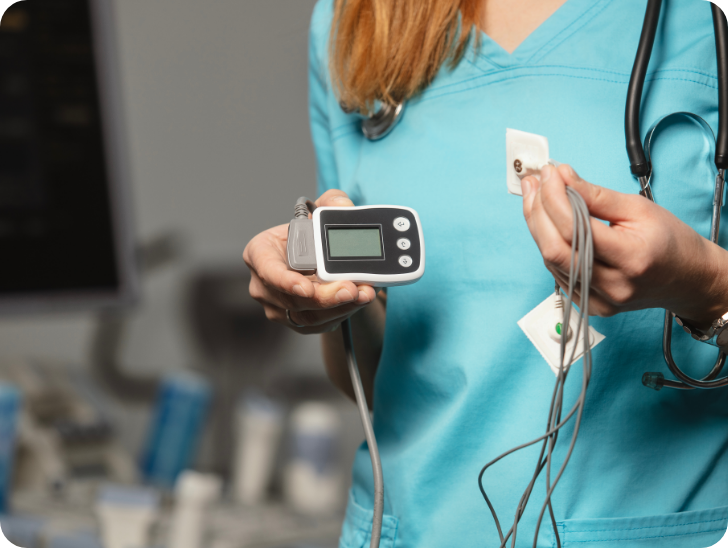
  • The nurse will fit you with a compact BP monitor and arm cuff in the clinic
  • You wear the monitor for 24 hours while carrying out your normal activities
  • Return the device the next day—your doctor will review the report with you and recommend next steps

Service Location: