


 Back to List
 Introduction
Heart rhythm is mainly controlled by the conduction system of the heart. Any abnormality in the conduction system may result in arrhythmia. Life-threatening arrhythmias such as ventricular tachycardia (VT) and ventricular fibrillation (VF) may cause palpitations, dizziness, syncope, or even sudden cardiac death.





 Causes
 Symptoms
 Operation
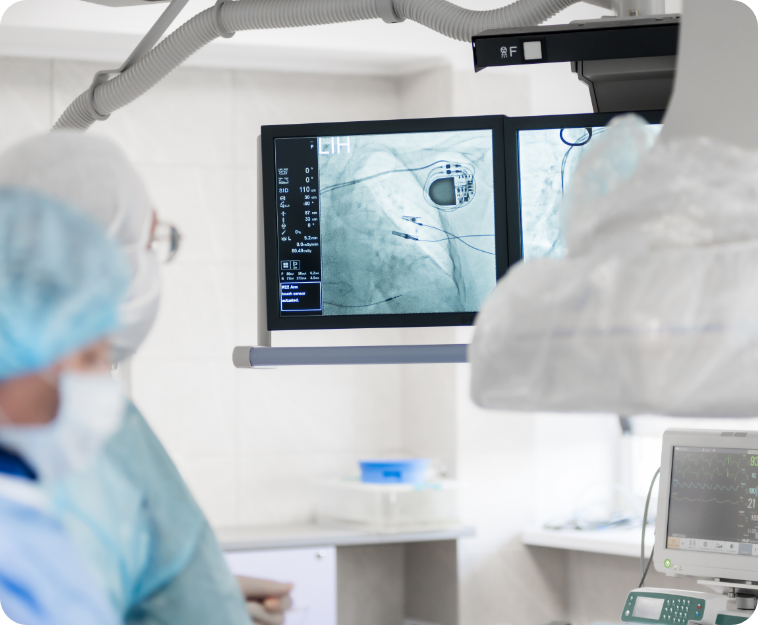
The ICD implantation procedure is usually performed under local anaesthesia in a catheterization or electrophysiology laboratory. To begin, electrodes are attached to your chest to monitor your heart rhythm throughout the procedure. A small incision, typically 3 to 5 centimetres in length, is made in the upper chest, usually on the left side. Through this incision, one or more leads are inserted into a vein and carefully guided into the heart using X-ray imaging.
Once the leads are properly positioned, they are connected to the ICD pulse generator, which is then implanted under the skin or muscle. After the device is placed, it will be tested to ensure that it functions correctly. The incision is then closed.
The entire procedure usually takes around 3 to 4 hours. Following the operation, your heart rhythm will continue to be monitored, and the device settings will be adjusted as necessary.
Notice
For further information, please consult your attending doctor or cardiologist.
The above information is for reference only. As each patient’s condition may vary, please consult your doctor for individual assessment and advice.