

 Back to List
 Introduction
Heart failure patients may experience symptoms such as shortness of breath and body swelling due to the heart’s reduced ability to pump blood efficiently. Cardiac Resynchronization Therapy (CRT) is a treatment that uses a special type of pacemaker to improve the coordination of the heart's contractions, particularly between the left and right ventricles. This synchronization can enhance the heart’s pumping efficiency, alleviate symptoms, and improve overall heart function.





 Causes
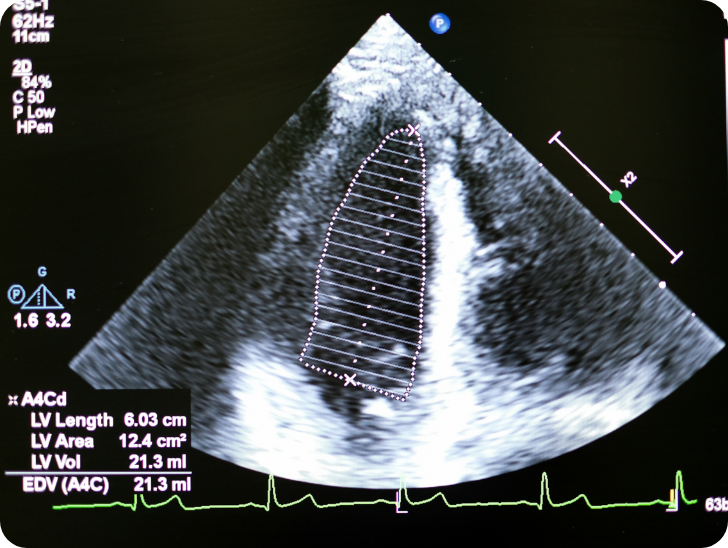
Heart failure may result from various underlying conditions that weaken or damage the heart muscle, including coronary artery disease, heart attack, high blood pressure, cardiomyopathy, and heart valve disease. These conditions can disrupt the heart’s normal electrical conduction, leading to asynchronous ventricular contraction and worsening heart function.
 Symptoms
Common symptoms of heart failure include:
 Operation
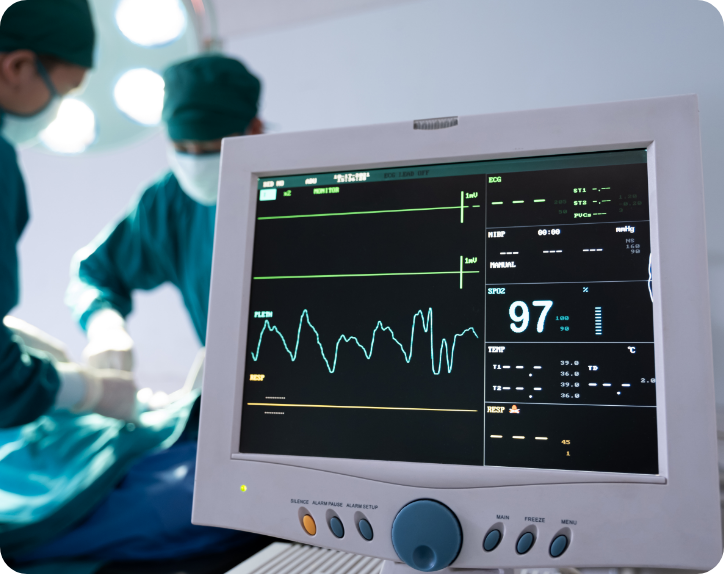
CRT is an invasive procedure usually performed under local anesthesia in the Cardiac Catheterization & Intervention Laboratory (CCIL). During the procedure:
Notice
For further information, please consult your attending doctor or cardiologist.
The above information is for reference only. As each patient’s condition may vary, please consult your doctor for individual assessment and advice.