

 Back to List
 Introduction
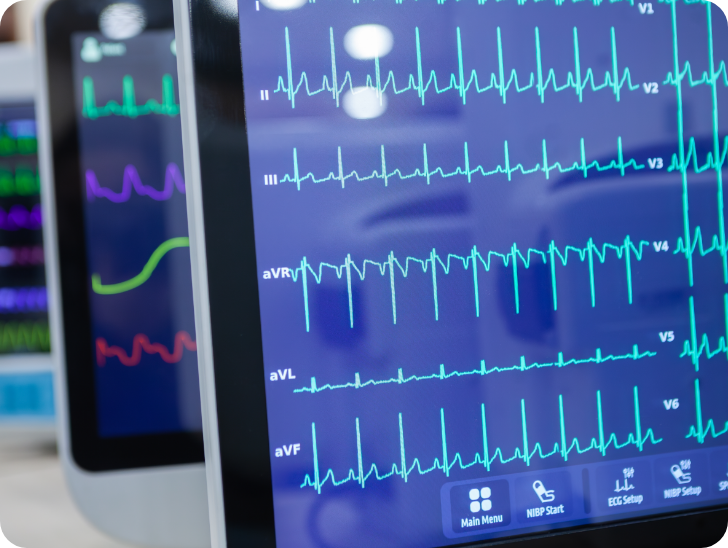
Heart rhythm is mainly controlled by the conduction system of the heart. Any abnormality in the conduction system may result in arrhythmia. Patients with arrhythmia may experience palpitations, chest discomfort, dizziness, or vertigo. In severe cases, loss of consciousness or sudden death may occur.


 Causes
 Symptoms
 Operation
This invasive procedure is generally performed under local anesthesia in the Cardiac Catheterization & Intervention Laboratory (CCIL).
Patients remain awake but sedation may be provided if needed.
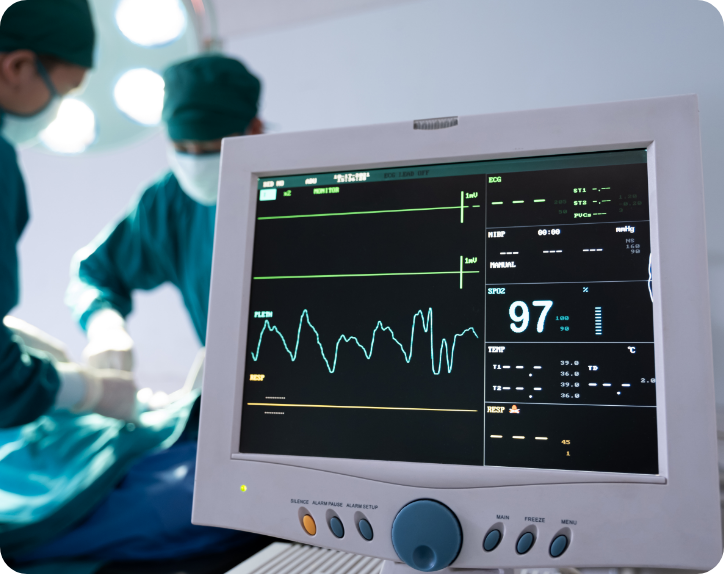
Electrodes are attached to the chest to monitor heart rate and rhythm. Blood oxygen levels and blood pressure will also be monitored during the procedure.
Small incisions are made in the groin, under the clavicle, or around the neck to access arteries or veins.
Catheters are guided into the heart under X-ray imaging. Electrical signals are recorded from specific sites within the heart, and small electrical currents are delivered to trigger arrhythmias.
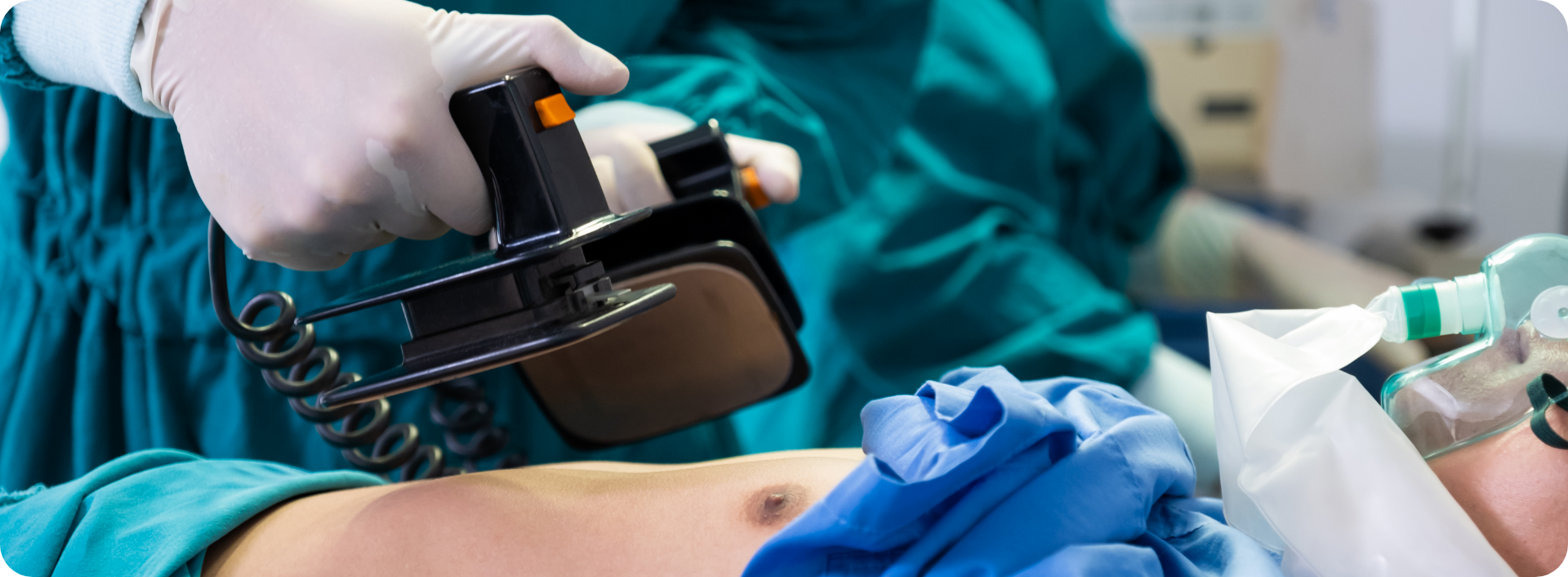
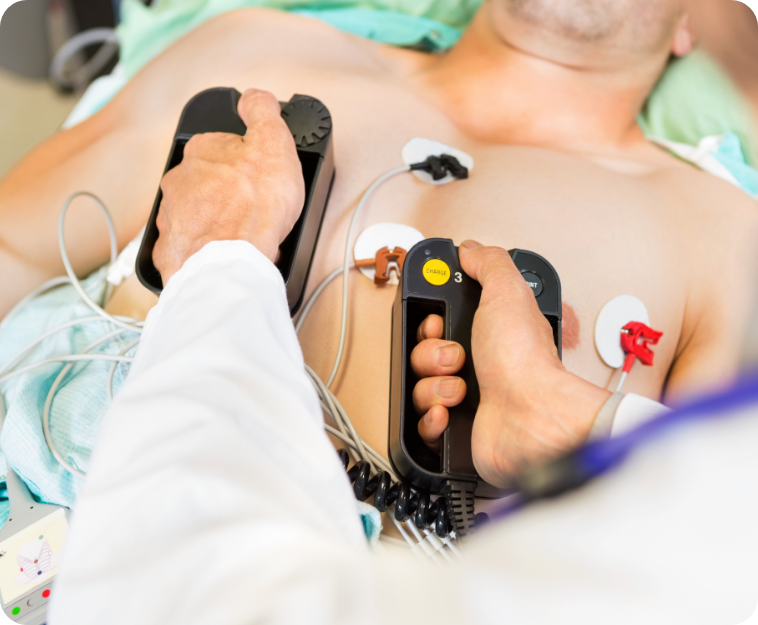
If a persistent arrhythmia occurs, direct current (DC) cardioversion may be used to restore normal rhythm.
Radiofrequency (RF) energy is then delivered via a special catheter tip for about 60 seconds to destroy abnormal heart tissue and cure the arrhythmia.
Another EPS is performed after ablation to confirm the success of the procedure.
The entire procedure may last from 3 to over 5 hours depending on the complexity of the arrhythmia.
After the procedure, patients are observed in the ward for 12 to 24 hours.
Notice
For further information, please consult your attending doctor or cardiologist.
The above information is for reference only. As each patient’s condition may vary, please consult your doctor for individual assessment and advice.