

 Back to List
 Introduction
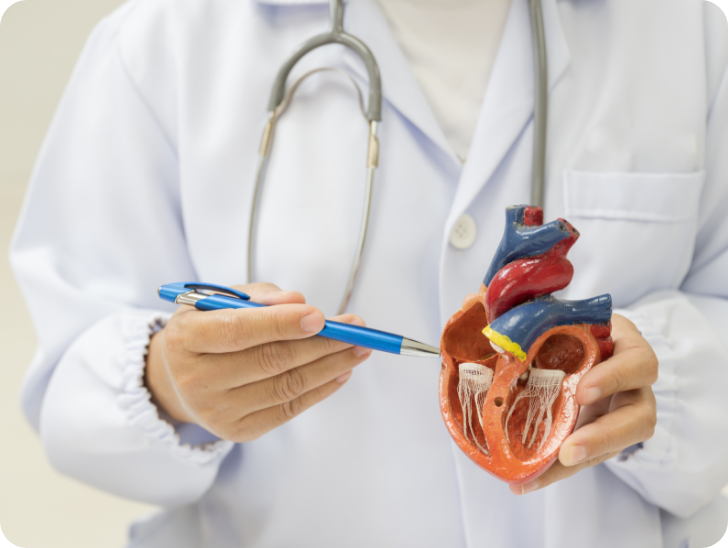
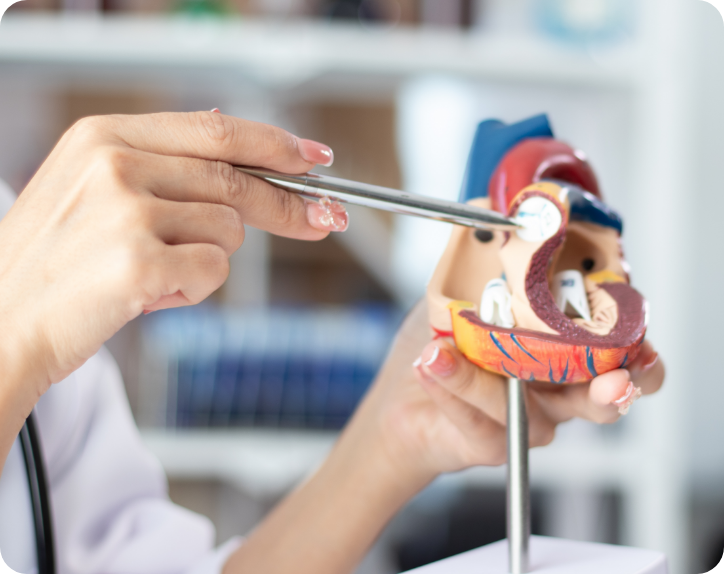
Atrial septal defect (ASD) is a common congenital heart disease. It is caused by an abnormal opening between the left and right atrial septum, allowing blood to flow abnormally and increasing the burden on the heart.
The foramen ovale is a natural opening between the left and right atria that usually closes shortly after birth. If it remains open, it is known as patent foramen ovale (PFO). Many adults with PFO can live normal lives, but incomplete closure may increase the risk of blood clots and stroke.


 Causes
 Symptoms
Many patients with ASD or PFO may have no symptoms. When symptoms do occur, they can include:
 Operation
This procedure is performed in the Cardiac Catheterization and Interventional Laboratory (CCIL). The doctor will decide whether general anesthesia or monitored anesthesia is needed based on the patient’s condition.
Nurses will attach electrodes to monitor your heart rate and rhythm, and a blood oxygen monitor will be placed. Blood pressure will be measured periodically during the procedure.
After anesthesia, the doctor will perform transesophageal echocardiography (TEE) to assess the degree of septal defect or foramen ovale insufficiency and to guide the procedure.
A needle will be inserted into the femoral vein in the groin area to access the bloodstream. The doctor will advance a catheter into the heart to measure pressure in various chambers and calculate the degree of abnormal blood flow. Contrast dye may be injected for X-ray imaging.
A special balloon is used to measure the size of the septal defect, after which an occlusion device of appropriate size is implanted.
At the end of the procedure, the catheters will be removed. Depending on the wound condition, sutures and pressure may be applied to stop bleeding.
The procedure typically takes 2 to 3 hours. Patients will be closely monitored afterward.
Notice
For further information, please consult your attending doctor or cardiologist.
The above information is for reference only. As each patient’s condition may vary, please consult your doctor for individual assessment and advice.