

Introduction

What is Tricuspid Regurgitation (TR)?

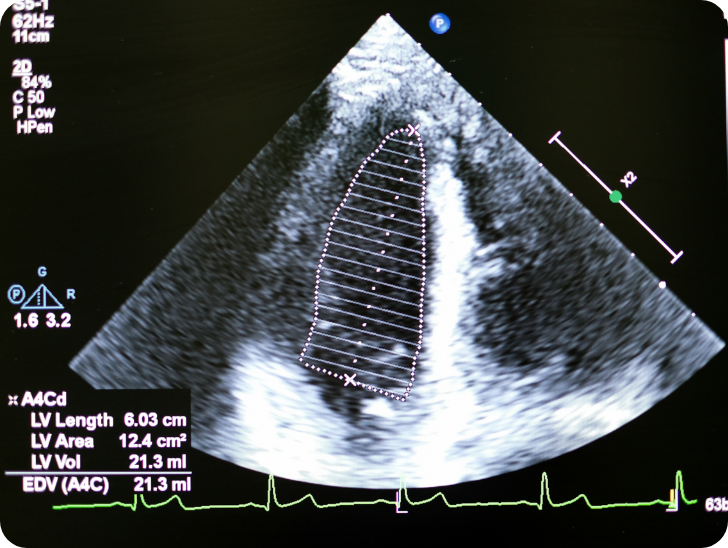
Tricuspid regurgitation is a condition where the tricuspid valve, located between the right atrium and right ventricle, does not close properly. This allows blood to flow backward into the right atrium during ventricular contraction, leading to volume overload and impaired heart function. In severe cases, TR may cause progressive enlargement of the right heart chambers, reduced cardiac output, and systemic congestion.

Causes

Causes of Tricuspid Regurgitation

  • Functional TR due to right ventricular dilatation (often secondary to left-sided heart disease or pulmonary hypertension)
  • Degenerative or structural abnormalities of the tricuspid valve leaflets
  • Rheumatic heart disease
  • Endocarditis (infection of the valve)
  • Congenital tricuspid valve defects
  • Trauma or previous cardiac surgery (e.g., after pacemaker or ICD lead placement)
Symptoms

Symptoms

Patients with severe TR may present with:

  • Fatigue and reduced exercise capacity
  • Swelling in the legs, ankles, or abdomen (edema and ascites)
  • Shortness of breath, especially during exertion
  • Palpitations or irregular heartbeats (often due to atrial fibrillation)
  • Liver enlargement or discomfort in the upper right abdomen
  • Jugular vein distension
Operation

The TEER/TTVR Procedure

The procedure is performed in the Cardiac Catheterization and Interventional Laboratory (CCIL). Based on patient’s condition, general anesthesia or monitored anesthesia care will be used.During the procedure:

  • Pre-procedure Preparation: Electrodes will be attached to monitor heart rate and rhythm, a blood oxygen sensor will be applied, and blood pressure will be monitored. A transesophageal echocardiogram (TEE) is usually performed to assess valve anatomy and guide the procedure.
  • Procedure: A catheter is inserted through the femoral vein and advanced to the right atrium. Depending on the approach:
  • TEER (Transcatheter Edge-to-Edge Repair): A device is used to grasp and approximate the tricuspid valve leaflets, reducing regurgitation.
  • TTVR (Transcatheter Tricuspid Valve Replacement): A specially designed valve prosthesis is delivered and implanted to replace the diseased valve.
Notice

Postoperative Care

  • Like all invasive procedures, TEER/TTVR carries risks such as bleeding, infection, arrhythmias, stroke, vascular injury, or device-related complications. Your doctor will explain these in detail.
  • You may need to continue anticoagulant or antiplatelet therapy as prescribed to prevent clot formation.
  • Avoid strenuous activity and heavy lifting for at least one week.
  • Keep the puncture site clean and dry, and watch for signs of infection such as redness, swelling, or discharge.
  • Mild bruising at the puncture site is common and usually resolves within 2–3 weeks.
  • Most patients are discharged within 2–5 days after the procedure, depending on recovery.
  • Regular follow-up appointments and echocardiograms are important to monitor valve function and long-term outcomes.

For further information, please consult your attending doctor or cardiologist. 

The above information is for reference only. As each patient’s condition may vary, please consult your doctor for individual assessment and advice.