

 Back to List
 Introduction
Cardiac catheterization is an invasive diagnostic procedure that allows doctors to assess the structure and function of the heart, especially the coronary arteries. During the procedure, contrast dye is injected into the coronary arteries through a catheter to check for blockages or narrowing. If significant narrowing is found, the doctor may proceed with percutaneous coronary intervention (PCI), commonly known as “angioplasty,” in the same session. PCI involves using a balloon to widen the narrowed artery and often placing a stent to keep it open.
This technique plays a crucial role in diagnosing and treating heart disease, especially acute myocardial infarction (heart attack). It allows timely intervention to restore blood flow, minimize heart damage, and improve survival. Compared with non-invasive tests such as echocardiography or treadmill stress tests, cardiac catheterization provides more accurate and direct information.



 Causes
 Symptoms
 Operation
The procedure is performed in the Cardiac Catheterization and Intervention Laboratory under local anesthesia with or without sedation.
Key steps include:
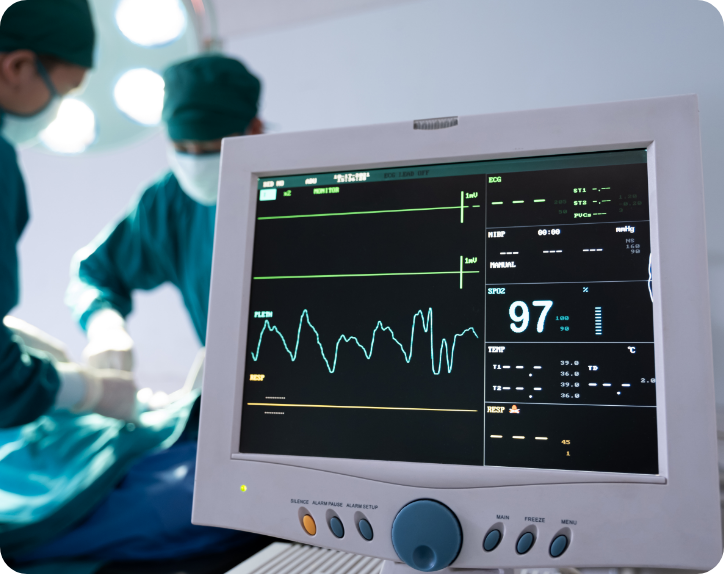
The procedure usually takes 1 to 2 hours. You may feel brief chest discomfort during balloon inflation, which is normal. The medical team will monitor your condition throughout—please inform them immediately if you feel unwell.
Notice
For further information, please consult your attending doctor or cardiologist.
The above information is for reference only. As each patient’s condition may vary, please consult your doctor for individual assessment and advice.