
Introduction

What is Severe Aortic Stenosis (AS) and Aortic Regurgitation (AR)?

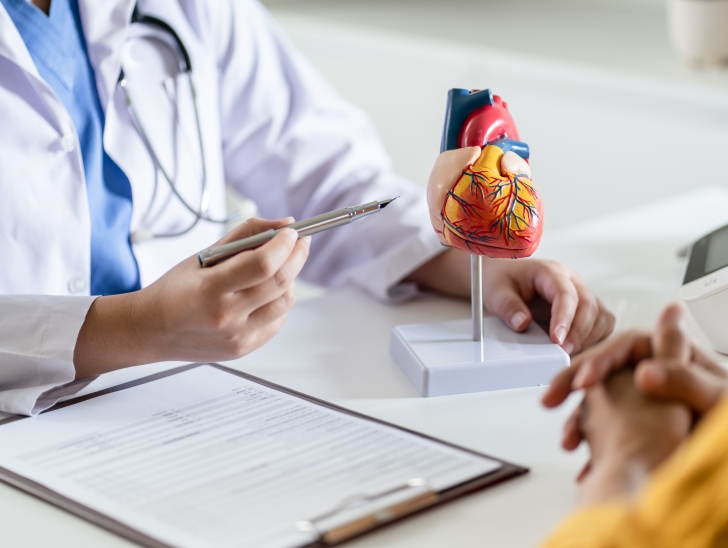
The aortic valve is located between the left ventricle and the aorta. It ensures that blood flows in one direction from the heart to the rest of the body.

  • Aortic stenosis (AS) occurs when the valve becomes narrowed, restricting blood flow out of the heart.
  • Aortic regurgitation (AR) occurs when the valve does not close properly, causing blood to leak backward into the heart.

Both conditions increase the workload of the heart and may lead to heart failure or other complications if untreated. Transcatheter Aortic Valve Implantation (TAVI) is a minimally invasive procedure that replaces the diseased aortic valve without open-heart surgery.

Causes

Causes of Valve Abnormalities (AS/AR)
  • Age-related degeneration and calcification of the aortic valve
  • Congenital valve abnormalities (e.g., bicuspid aortic valve)
  • Rheumatic heart disease
  • Infective endocarditis
  • Aortic root or valve injury
Symptoms

Symptoms

Some patients may remain asymptomatic in the early stage. As the disease progresses, symptoms may include:
  • Shortness of breath, especially on exertion
  • Chest pain or tightness (angina)
  • Fatigue or reduced exercise tolerance
  • Dizziness or fainting spells (syncope)
  • Swelling of the ankles or feet (edema)
  • Palpitations or irregular heartbeat
Operation

The TAVI Procedure

TAVI is performed in the Cardiac Catheterization and Interventional Laboratory (CCIL) or a hybrid operating room.During the procedure:

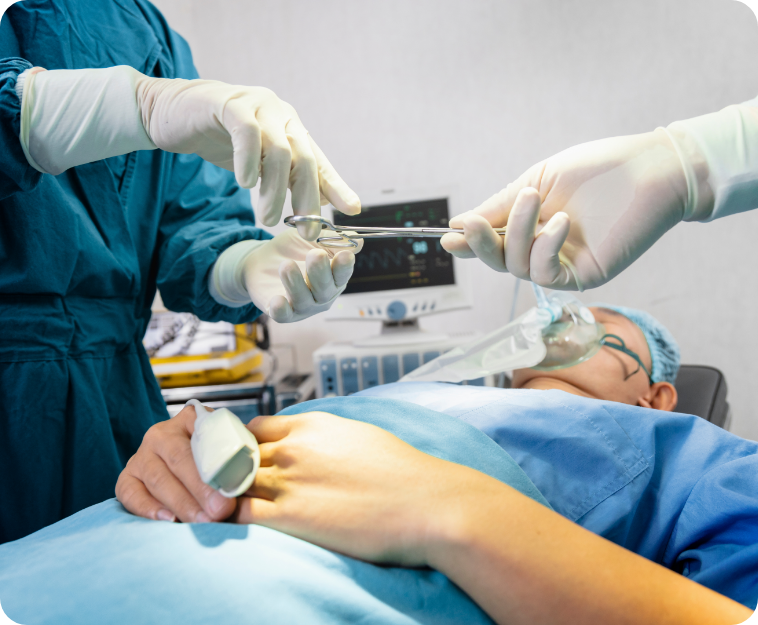
  • You may receive general anesthesia or conscious sedation, depending on your condition.
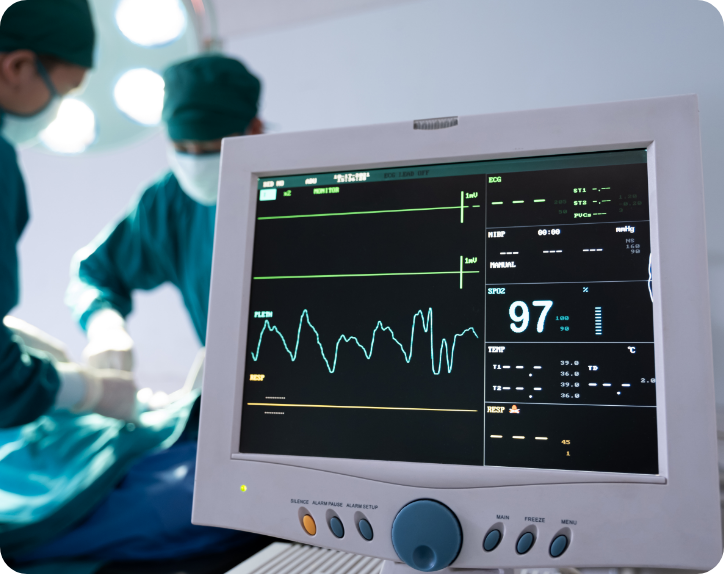
  • Electrodes, oxygen monitors, and blood pressure devices will be used to monitor vital signs.
  • Access is usually obtained via the femoral artery in the groin. In some cases, alternative access routes (subclavian artery, direct aortic, or transapical) may be required.
  • A catheter carrying a replacement valve is advanced to the diseased aortic valve. Under fluoroscopic and echocardiographic guidance, the new valve is positioned inside the old valve and expanded (either by balloon or self-expansion).
  • The new valve immediately takes over the function of regulating blood flow.
  • Once implanted, the catheters are removed and bleeding is controlled with closure devices and/or compression.

The procedure generally takes 1 to 2 hours. Patients are closely monitored in the cardiac ward or intensive care unit afterward.

Notice

Postoperative Care

  • Medication: Continue taking anticoagulant or antiplatelet medication as prescribed to reduce the risk of blood clots.
  • Activity: Avoid heavy lifting or strenuous activity for 1–2 weeks. Gradual return to daily activities is usually safe.
  • Wound care: Keep the groin or access site clean and dry. Monitor for redness, swelling, pain, or discharge. Report any signs of infection promptly.
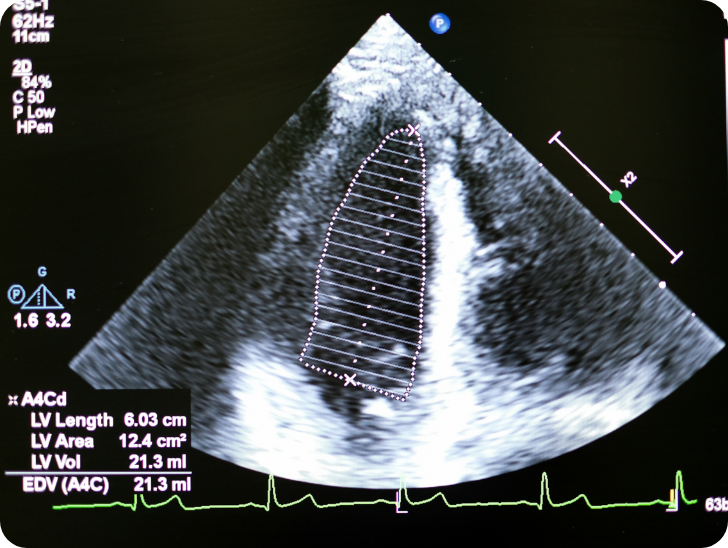
  • Follow-up: Regular echocardiograms and clinical follow-up are required to assess valve function.
  • Possible complications: Like all procedures, TAVI carries risks such as bleeding, infection, vascular injury, arrhythmias (sometimes requiring a pacemaker), stroke, valve leakage, or valve migration. Your doctor will discuss these risks in detail compared with other treatment options.
  • Hospital stay: Most patients are discharged within 3 to 7 days, depending on recovery and any complications.

For further information, please consult your attending doctor or cardiologist. 

The above information is for reference only. As each patient’s condition may vary, please consult your doctor for individual assessment and advice.